





- 中图分类号: H31
- 语种: ENG
- 出版信息: Cambridge University Press 2014 222页
- EISBN: 9781316121672
- PISBN-P: 9781107427105
- PISBN-H:9781107074705
- 原文访问地址:
KG评星
知识图谱评星,是一种基于用户使用的评价体系,综合图书的评论数量、引文数量、Amazon评分以及图谱网络中节点的PageRank值(即考虑相邻节点数量和重要性)等多种因素计算而得出的评价数值。星级越高,推荐值越高。CAT核心级
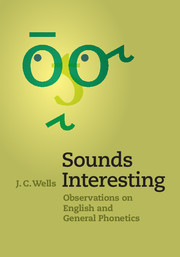
核心学术资源(CAR)项目作为教图公司推出的一项知识型服务,旨在打造一套科学、有效的图书评价体系,并协助用户制定相应的馆藏建设方案。CAR项目调查和分析12所世界一流大学的藏书数据,以收藏学校的数量确定书目的核心级,核心级越高,代表书目的馆藏价值越高。选取核心级在三级以上,即三校以上共藏的图书作为核心书目(CAT)。How do you pronounce omega, tortoise and sloth, and why? Do charted and chartered sound the same? How do people pronounce the names Charon, Punjab and Sexwale? In this engaging book, John Wells, a world-renowned phonetician and phonologist, explores these questions and others. Each chapter consists of carefully selected entries from Wells' acclaimed phonetics blog, on which he regularly posted on a range of current and widely researched topics such as pronunciation, teaching, intonation, spelling, and accents. Based on sound scholarship and full of fascinating facts about the pronunciation of Welsh, Swedish, Czech, Zulu, Icelandic and other languages, this book will appeal to scholars and students in phonetics and phonology, as well as general readers wanting to know more about language. Anyone interested in why a poster in Antigua invited cruise ship visitors to enjoy a game of porker, or what hymns can tell us about pronunciation, should read this book.
 京公网安备 11010602104826号
