





- 中图分类号: Q983
- 语种: ENG
- 出版信息: Princeton University Press 2017 249页
- EISBN: 9781400884759
- PISBN-P: 9780691160535
- 原文访问地址:
KG评星
知识图谱评星,是一种基于用户使用的评价体系,综合图书的评论数量、引文数量、Amazon评分以及图谱网络中节点的PageRank值(即考虑相邻节点数量和重要性)等多种因素计算而得出的评价数值。星级越高,推荐值越高。CAT核心级
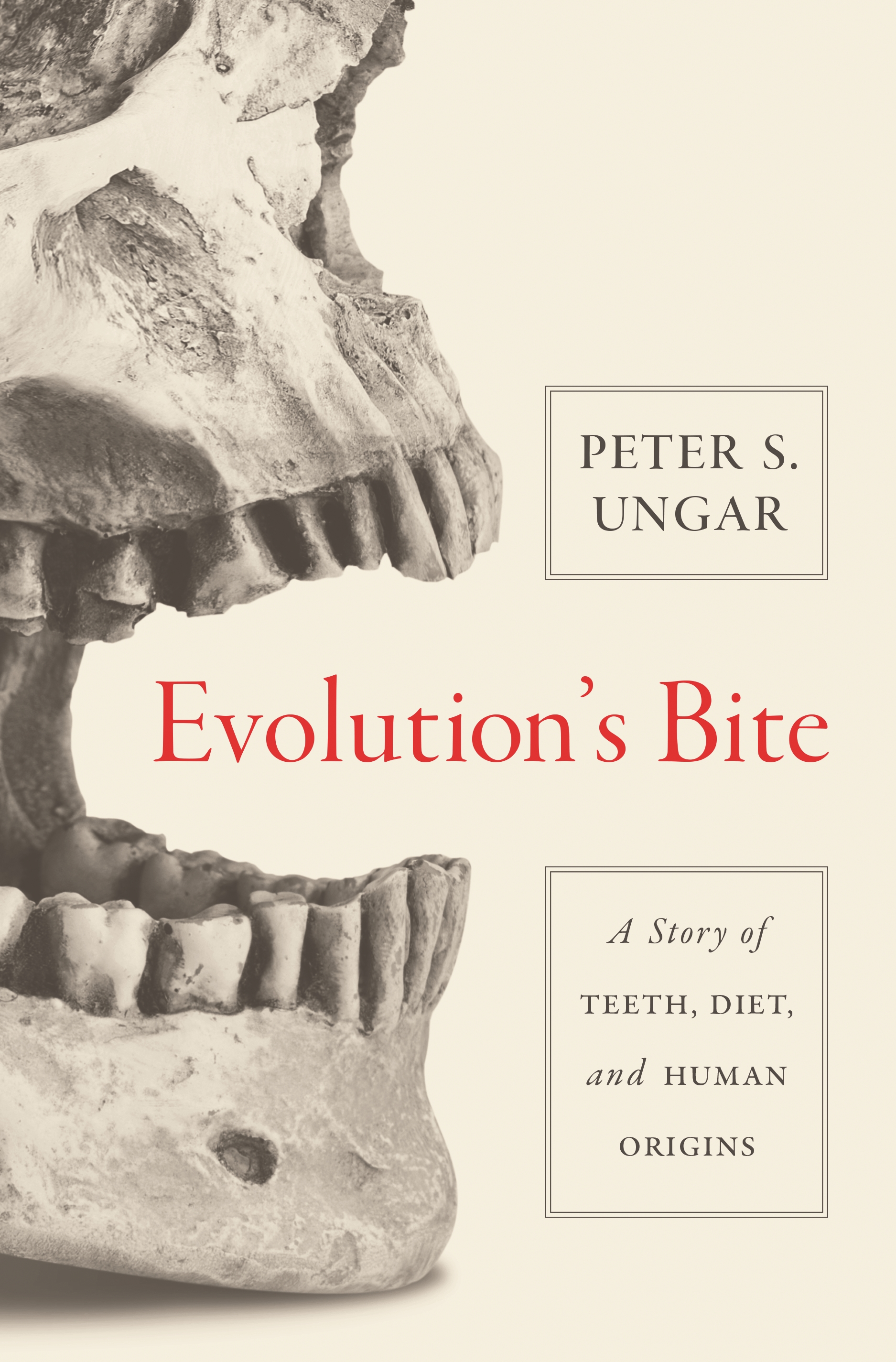
核心学术资源(CAR)项目作为教图公司推出的一项知识型服务,旨在打造一套科学、有效的图书评价体系,并协助用户制定相应的馆藏建设方案。CAR项目调查和分析12所世界一流大学的藏书数据,以收藏学校的数量确定书目的核心级,核心级越高,代表书目的馆藏价值越高。选取核心级在三级以上,即三校以上共藏的图书作为核心书目(CAT)。What teeth can teach us about the evolution of the human speciesWhether we realize it or not, we carry in our mouths the legacy of our evolution. Our teeth are like living fossils that can be studied and compared to those of our ancestors to teach us how we became human. In Evolution's Bite, noted paleoanthropologist Peter Ungar brings together for the first time cutting-edge advances in understanding human evolution and climate change with new approaches to uncovering dietary clues from fossil teeth to present a remarkable investigation into the ways that teeth heir shape, chemistry, and wear eveal how we came to be.Ungar describes how a tooth's "foodprints" istinctive patterns of microscopic wear and tear rovide telltale details about what an animal actually ate in the past. These clues, combined with groundbreaking research in paleoclimatology, demonstrate how a changing climate altered the food options available to our ancestors, what Ungar calls the biospheric buffet. When diets change, species change, and Ungar traces how diet and an unpredictable climate determined who among our ancestors was winnowed out and who survived, as well as why we transitioned from the role of forager to farmer. By sifting through the evidence nd the scars on our teeth ngar makes the important case for what might or might not be the most natural diet for humans.Traveling the four corners of the globe and combining scientific breakthroughs with vivid narrative, Evolution's Bite presents a unique dental perspective on our astonishing human development.
 京公网安备 11010602104826号
